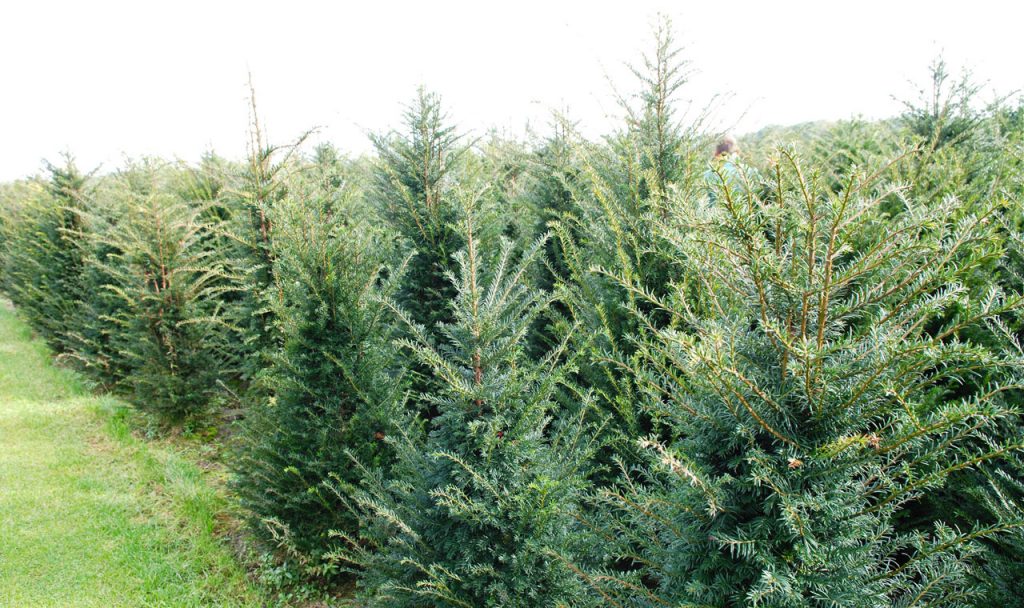
Making the right choice for your topiary or hedging purchase is obviously critical – can be costly if wrong! We have put together some of the many practical considerations you need in making the right decision – if your still unsure after reading these planting considerations, please call or email us.
Basic considerations:
Basic considerations – Perhaps a silly question although, we believe critical – How will these plants be watered and maintained? With such a large investment in plants we often promote the benefits of an automated watering system, an annual feed and, making sure the grounds are made ready for the new plants soon to arrive. Consider locally sourced manure, organic top soil, blood and bone meal or mushroom compost all blended with some of the existing garden soils to create the best organic matter possible to feed your new plants as they grow.
Do you want evergreen (all year round green colour, some will flower or fruit) or deciduous (changes colour and drops foliage in autumn through winter months) hedging or topiary plants?
Evergreen – makes a great hedge and topiary specimen with all year round colour and form. Except yew (taxus baccata) they do require more maintenance and pruning twice a year for best effect. Once left to grow uncontrolled, most conifer based species (including yew) cannot be restored fully and may need replaced.
Deciduous – not as popular as evergreen hedging or topiary however, gives a changing colour scheme or change in structural appearance throughout seasons – this is really down to personal taste. Less privacy than evergreen in winter though, you do benefit from better wind ‘management’ causing less damage in extreme conditions. Pruning is easier and they are less demanding when missed the occasional year.
Have a look at The Topiary & Hedging Co. Instagram and Facebook photos to get that final inspiration, before ordering or specifying your planting project.
Do you want instant impact or are you looking to plant smaller plants and wait for the plants to grow?
Smaller plants below eighty centimetres establish easier and are more cost effective than larger hedging plants or growing topiary – especially in drought, excessive moisture or other punishing weather conditions. For instant mature hedging and instant impactful topiary, you should consider semi mature plants. These larger ‘instant’ specimen plants and hedging will require more watering for the first eighteen months – often on a daily basis in the first six months from planting if entering a warmer period of the year. These larger instant plants are also expensive; researching quality and price is critical, as is planting the right product depending on time of year – root ball and bare root in colder (dormant) months, pot grown for warmer (growing season) months.
How many plants do I need to make the best hedge possible?
Consider firstly the final height you want to achieve… is it for privacy, a formal boundary hedge or as a feature to enhance the garden design and impact? This is because spacing is critical when originally planting. Most hedging plants we offer will fall into the following planting recommendations below – allowances should be made for plant and root space to grow. Soil conditions and quality is also a key consideration and it is recommended where soil quality cannot be improved, reduce the plants per metre by around 15%.
Plant spacing recommendations (based on yew, laurel – enquire for other plant species and heights – simply divide your linear meters required by appropriate number shown in the box:
These planting recommendations are for single line, If you are looking for double depth hedging, for an even more instant hedge block, multiply the above times two or three rows and then minus seven percent.
What is the best hedge for the following scenario?
Low height hedge – Box (buxus sempervirens) and holly (ilex crenata)
Slim or narrow hedge (skilled clipping needed!) – Yew (taxus baccata), osmanthus (osmanthus Burkwoodii) or privet (ligustrum)
Native or domestic hedging – Blackthorn (prunus spinosa), privet (ligustrum) or holly (ilex aquifolium)
Hedging for security – Holly (ilex aquifolium) and blackthorn (prunus spinosa)
Hedging and plants for wet soil – Western Cedar (thuja plicata)
Plants for heavy clay – Portugese laurel (prunus lusitanica) and cherry laurel (prunus laurocerasus)
Plants for shaded garden – Box (buxus sempervirens), common holly (ilex aquifolium) and Portugese laurel (prunus lusitanica)
Plants for chalky garden – Osmanthus (osmanthus x Burkwoodii)
Coastal hedging plants – Eleagnus x ebbingei
Exposed and chilly climate hedging – Hornbeam (carpinus betulus), beech (fagus sylvatica), holly (ilex aquifolium), portugese laurel (prunus lusitanica) and yew (taxus baccata)
Hedging with colour – photinia Red Robin (photinia x fraseri)
| Height | Instant Hedge | Average Hedge | Budget Hedge |
| 400cm+ | 1.90 | 2.00 | 2.20 |
| 300cm+ | 1.40 | 1.50 | 1.70 |
| 250cm+ | 1.15 | 1.25 | 1.40 |
| 200cm+ | 1.00 | 1.10 | 1.30 |
| 175cm+ | 0.90 | 1.00 | 1.20 |
| 150cm+ | 0.80 | 0.85 | 1.00 |
| 125cm+ | 0.70 | 0.75 | 0.85 |
| 100cm+ | 0.60 | 0.65 | 0.75 |
| 75cm+ | 0.50 | 0.55 | 0.65 |
| 50cm+ | 0.40 | 0.45 | 0.55 |
| 40cm+ | 0.30 | 0.35 | 0.45 |
These are a selection of hedging and topiary plants we supply, for other options please visit the National Trust website – if you require other recommendations we are always happy to help!
Planting your hedging or topiary
We always recommend being prepared with the right items in place before planting your new plants. Caring once plants are in place is a lot easier when the right elements and rules are followed.
- Prepare the area: remove weeds, dead and interfering root systems from the planting area – consider water flow, light, soil type and any canopies affecting the new plants once in place.
- Prepare the soil: if you have poor soil consider sourcing local manure, compost, fresh topsoil or re-cycled options are also becoming great additions to current gardening products. Make sure you can supply the plants with water for the first months and consider if the plants are going to be sitting in water – almost all plants need free draining soil – run offs, gravel grooves, drainage pipe, etc. help. Inserting a pipe to root system on larger plants is also recommended. Do not add too much organic matter in the excavated area as it will decompose and plant could sink – by all means mix with the other elements mentioned here, just make sure the plant has organic matter covering all sides.
- Excavate: depending on the size of your plants you will need to dig a trench (hedging plants) or an appropriate holes/s (topiary or specimen plants). Most plants require a spade width wide dig for smaller plants – up to 1.5m depending on the size of the plants you have purchased.
- Planting: for boundary fences consider the space needed either side for glowing or larger hedging plants, consider trimming older hedger with damage to stimulate new growth to compliment your new hedging plants. Top of the root ball, or the de-potted plant should sit flush or, just under local soil height. Topsoil should be mixed with organic matter to improve clay and sandy-based soils. Add mulching to finished planting scheme to avoid future weed growth. Finally, add water once plants all firmly pressed or heeled in.
On larger hedging and topiary planting schemes, we will offer advice for individual scenarios and planting schemes.
Caring for hedging and topiary plants
All planting schemes will require watering for the first month on a daily basis where dry and warm – tapering off over eighteen months – especially for larger hedging plants and specimen topiary / architectural plants. An annual feed with decent fertiliser (75grammes per sw m) is recommended. Replacing mulch and adding lime fruit to box hedging (liquidised) is also a great service to keep your hedging and topiary plants in tip top condition.

Topiary
Exquisite topiary at affordable guaranteed prices.

Hedging
Huge range of affordable hedging

Bay Trees
The widest range of bay trees in the UK

Pleached
Evergreen, deciduous and fruit pleached frames.
Contact us now for a free quote on your project